






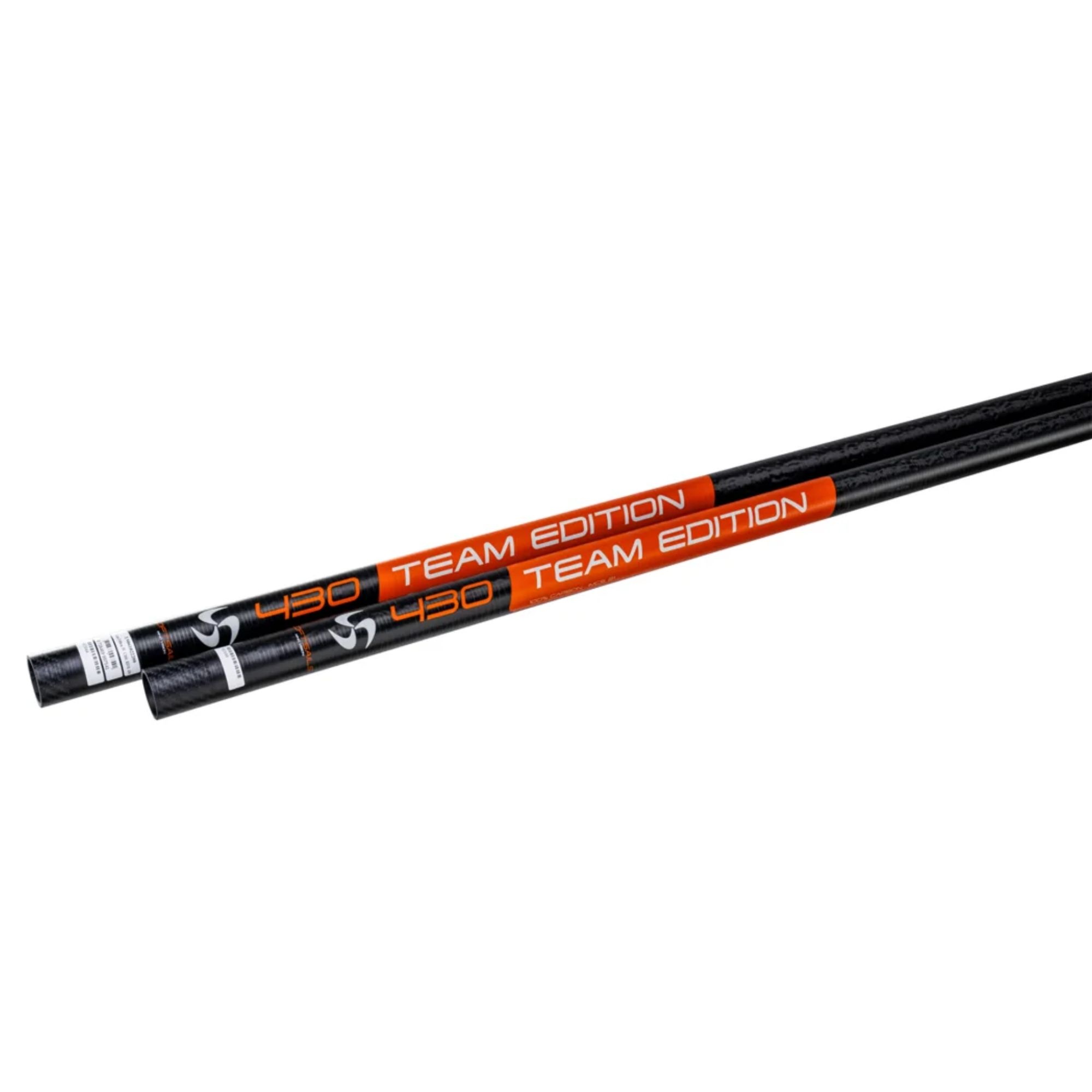


Loftsails’ highest-specification RDM mast
Loftsails Team Edition IV C100 RDM is the top RDM model in the brand’s mast range. It is designed for riders who expect low weight, fast response and consistent bend characteristics.
The reduced RDM diameter improves grip, makes the rig easier to control and increases resistance to localised impact. At the same time, the 100% carbon construction delivers the fast reflex required by high-performance sails.
T700 and T800 carbon fibres
The mast is made from a combination of T700 and T800 carbon fibres. These materials are selected to provide a balanced mix of low weight, responsiveness and durability.
T800 fibres contribute to stiffness and fast recovery, while T700 fibres help improve resistance to regular sailing loads and impact. This combination maintains performance without excessively compromising durability.
Pre-preg and autoclave-cured construction
The mast is produced using pre-preg technology. The fibres are pre-impregnated with a controlled amount of resin, creating an even and lightweight laminate without unnecessary excess material.
The mast is then cured in an autoclave. High temperature and pressure consolidate the carbon layers, improving tensile strength and resistance to friction and repeated flexing.
Constant Curve and consistent sail behaviour
The Constant Curve bend profile is matched to the characteristics used in Loftsails sails. Base flex is rated at 64%, while top flex is 76%, helping the mast support the intended sail profile and leech release.
Every mast is checked and controlled for bend consistency. This reduces differences between individual units, which is particularly important in high-performance sails that require an accurate mast match.
Fast reflex in variable wind
The high carbon content allows the mast to recover quickly after bending. The sail responds efficiently to gusts, maintains drive and stabilises its profile faster after sudden changes in load.
This is useful during pumping, acceleration, sailing through chop and handling variable wind. The rig responds with less delay, making it easier to maintain speed and control.
RDM diameter
The RDM construction is narrower than a standard SDM mast. It is easier to hold during manoeuvres and waterstarts, while the thicker wall-to-diameter ratio improves resistance to localised impact.
An RDM mast can also provide a slightly softer and more controlled rig feel. Final compatibility still depends on the sail manufacturer’s recommendations, so the required length, diameter and IMCS rating should always be checked before purchase.
Who is it for?
Loftsails Team Edition IV C100 RDM is designed for advanced windsurfers and riders using high-performance sails that require a Constant Curve mast. It is a strong choice where low weight, fast reflex, controlled sail response and accurate mast-to-sail compatibility are the priorities.
Features
Loftsails mast manufacturing standards
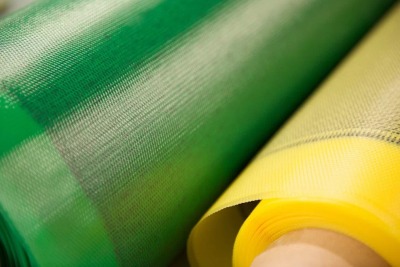
Loftsails masts are manufactured using only the highest-grade materials and pre-preg (fiber cloth that’s pre-impregnated with resin) construction methods that are highly consistent for quality control and superior to traditional ‘wet’ layup processes that do no guarantee even resin transfer, strength and performance. Loftsails use superior T800 & T700 carbon fiber in their masts. T800 is the optimum fiber when under strain and elongation and compression and also delivers superior response action that enhances sails so well. T700 has even more superior resin absorption and consistency and in fact Loftsails leading Team Edition masts use both fabrics for the ultimate blend of quality and performance.
Accurate materials specifaction
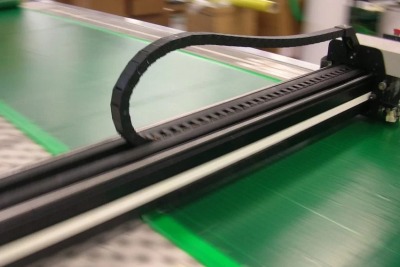
The CAD plotter accurately cuts all composite raw materials used in the process. This is vital for consistency of weight control and performance.
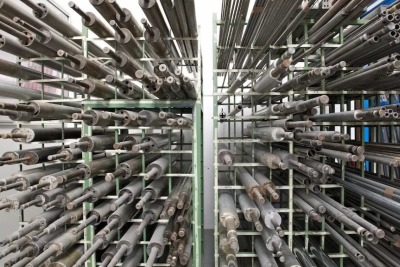
Taking shape mandrels
The right mandrel for each model is then chosen so that the required taper, thickness, bend curve and many other characteristics specified for each model can be produced.
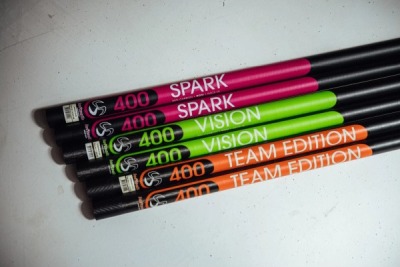
Layup and dressing
For confidentiality reasons we cannot show Loftsails’ precise, classified techniques used in the next stages. These steps involve rolling the plotted composite materials onto the mandrel with a closely guarded process on how the unique inner and compression layups are formed and secretive method for how the ferrules are integrated. The stickers are applied at this stage though!
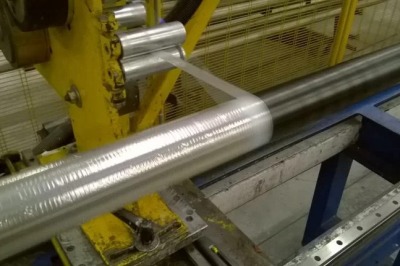
Taping
External finishing such as protective basalt layers and durable finishing tape are applied to protect from camber wear, heat and impact.
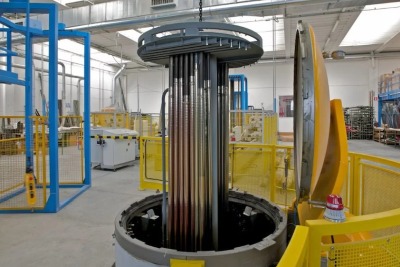
Curing
The mast is cooked in an autoclave. It’s vital to closely monitor and precisely control the curation process at various stages for the most consistent results.

QC
Quality Control checks are made such as bend curve measurement, strength under load and impact. Final finishing inspections are then completed before packaging. Next stop – the beach!
For instant answer - open the chat and ask your question. We're active 9.00-17.00 CET.
Is it afterhours? No problem - leave us a message and we’ll respond early the next day.
+48 61 641 70 22
For those who prefer phone calls - that's our number. You can give us a ring between 9.00-17.00 CET.




 Facebook
 Instagram
 YouTube
